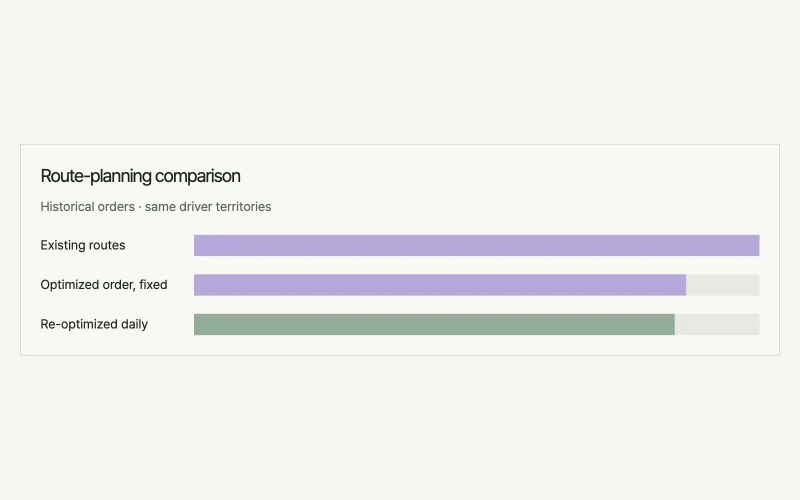
Pharmaceutical routing
Re-plan pharmacy visits within existing driver territories.
 Contact
Understand the problem. Explore how intelligence works in practice.
01Order
Find a workable order across a vast space of combinations.
Thousands of connected decisions, long symbol sequences and interdependent assembly steps. Changing one position can alter the value and feasibility of the entire sequence.
Re-plan pharmacy visits within existing driver territories.
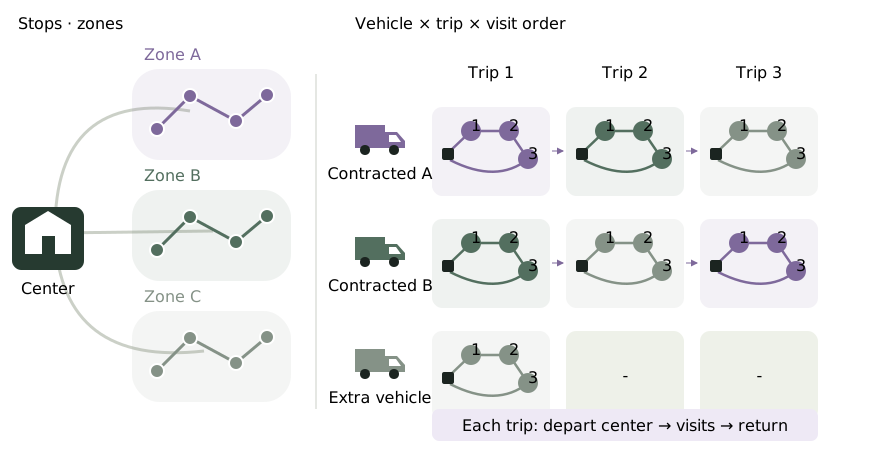
Build multi-trip delivery plans within vehicle and service limits.
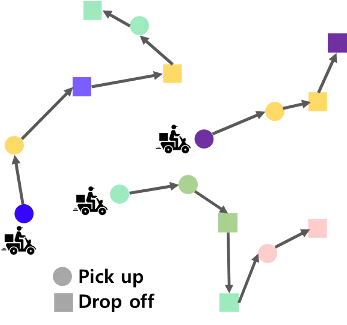
Assign orders and build pickup-and-delivery routes together.
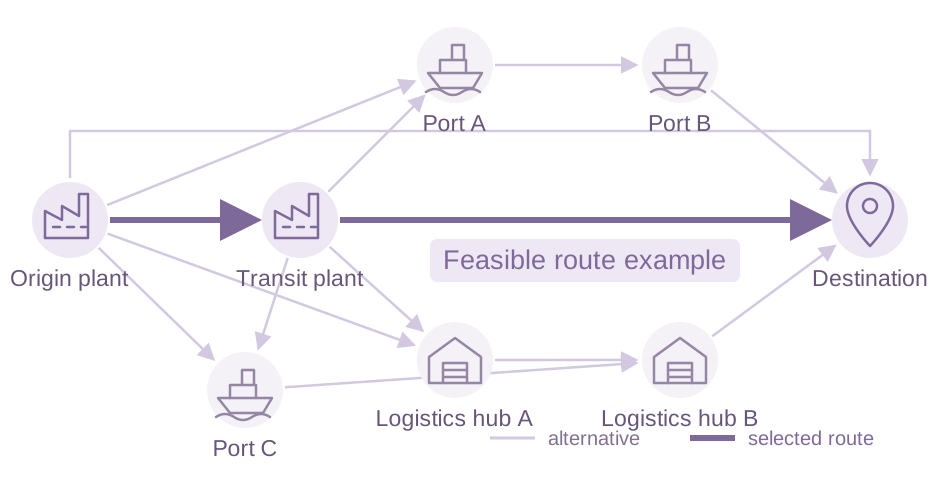
Choose routes that provide the required services at each hub.
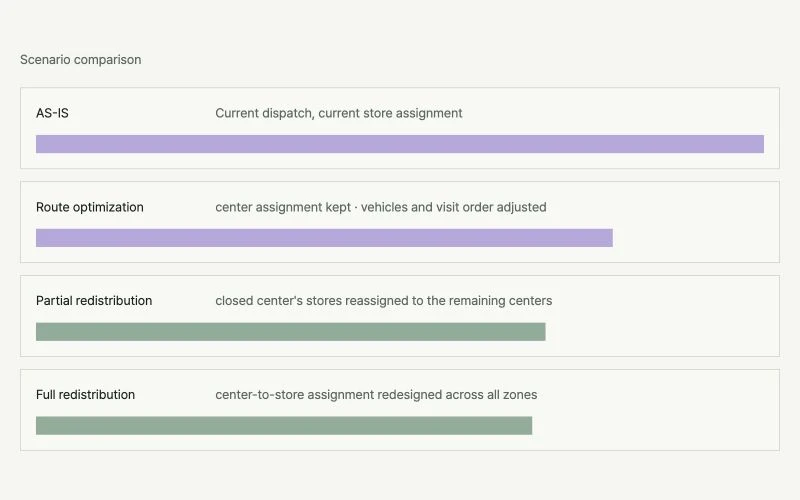
Review vehicle routes and service zones as one operating plan.
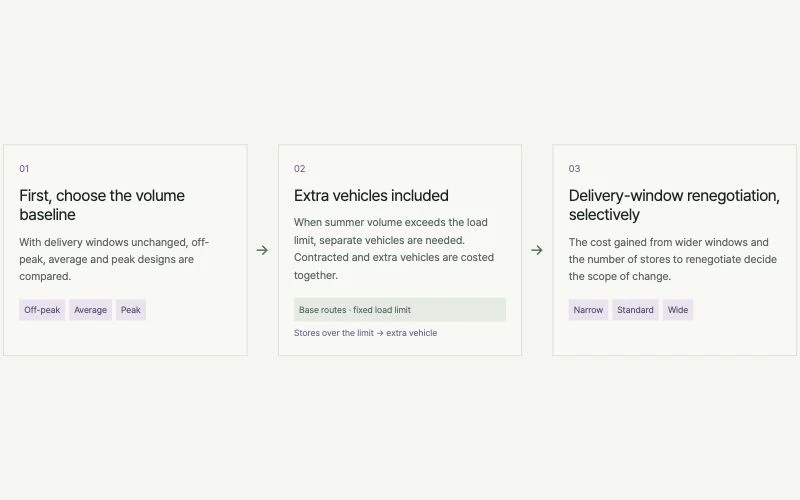
Design base routes and overflow plans for seasonal demand.
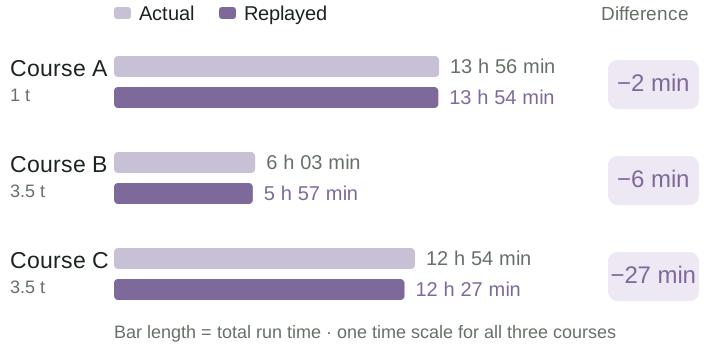
Plan collection trips together with unloading and restart.
02Time
Coordinate interdependent work across time and shared resources.
Interdependent activities compete for the same people, machines and time windows. Precedence, parallel work and shifting conditions make every assignment part of a larger plan.
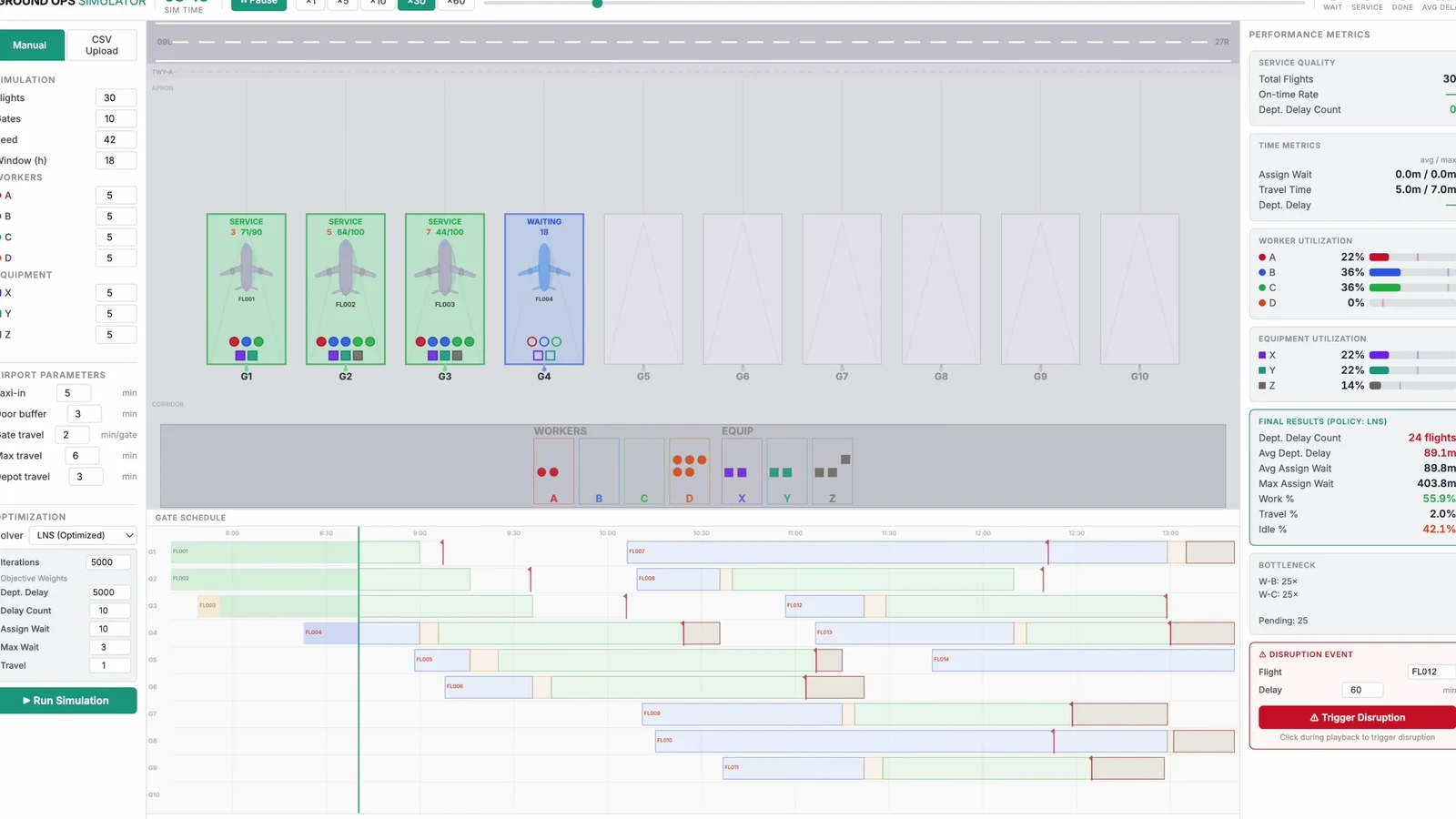
Coordinate aircraft, gates, crews and ground-service tasks.
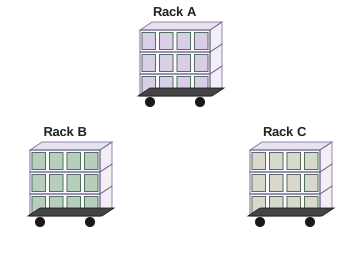
Balance sorting assignments, item bundles and rack release order.
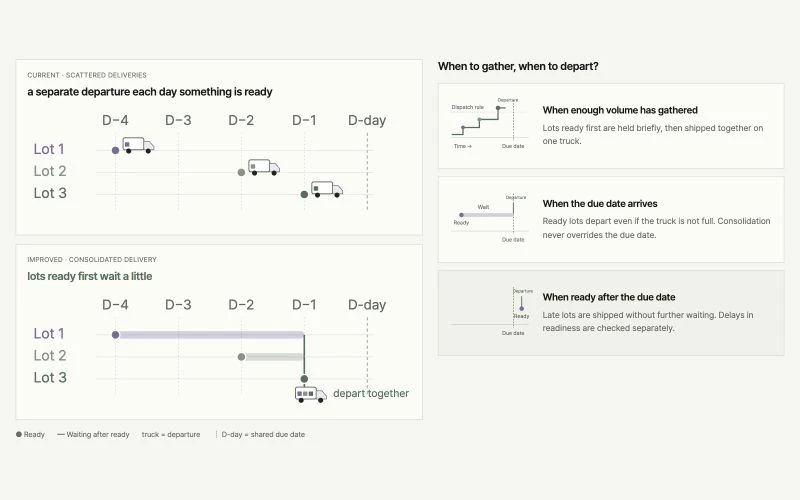
Coordinate shipment readiness, consolidation and departures.
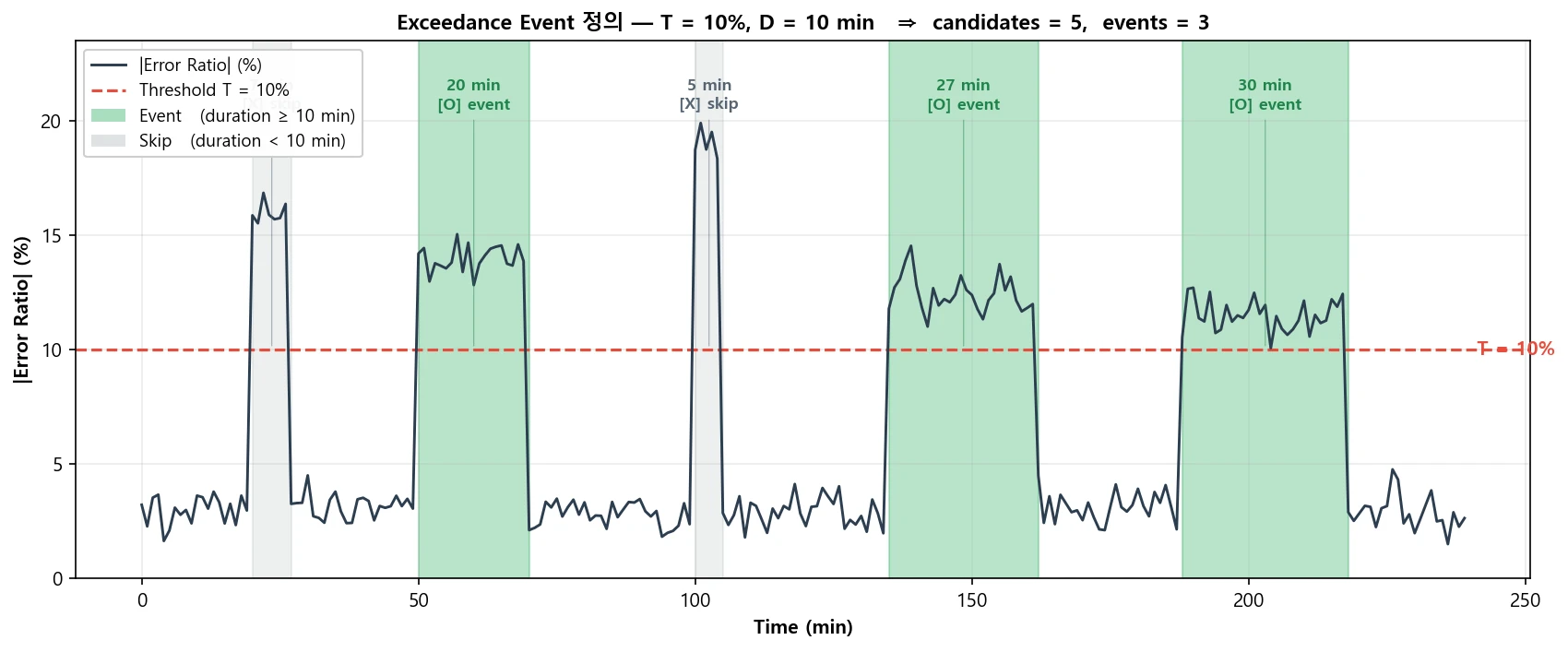
Connect process timelines to quality observations.
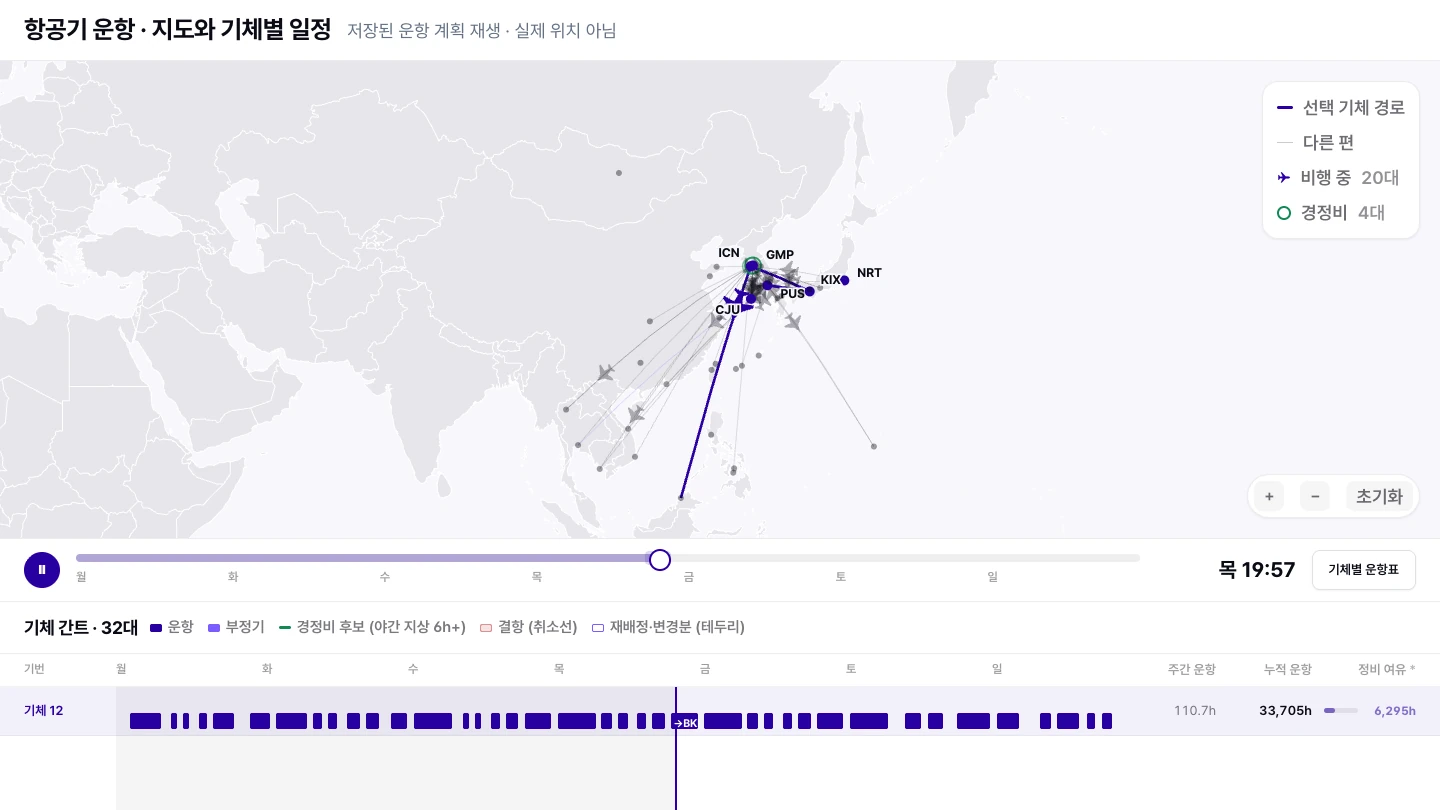
Coordinate flight assignments with staggered maintenance.
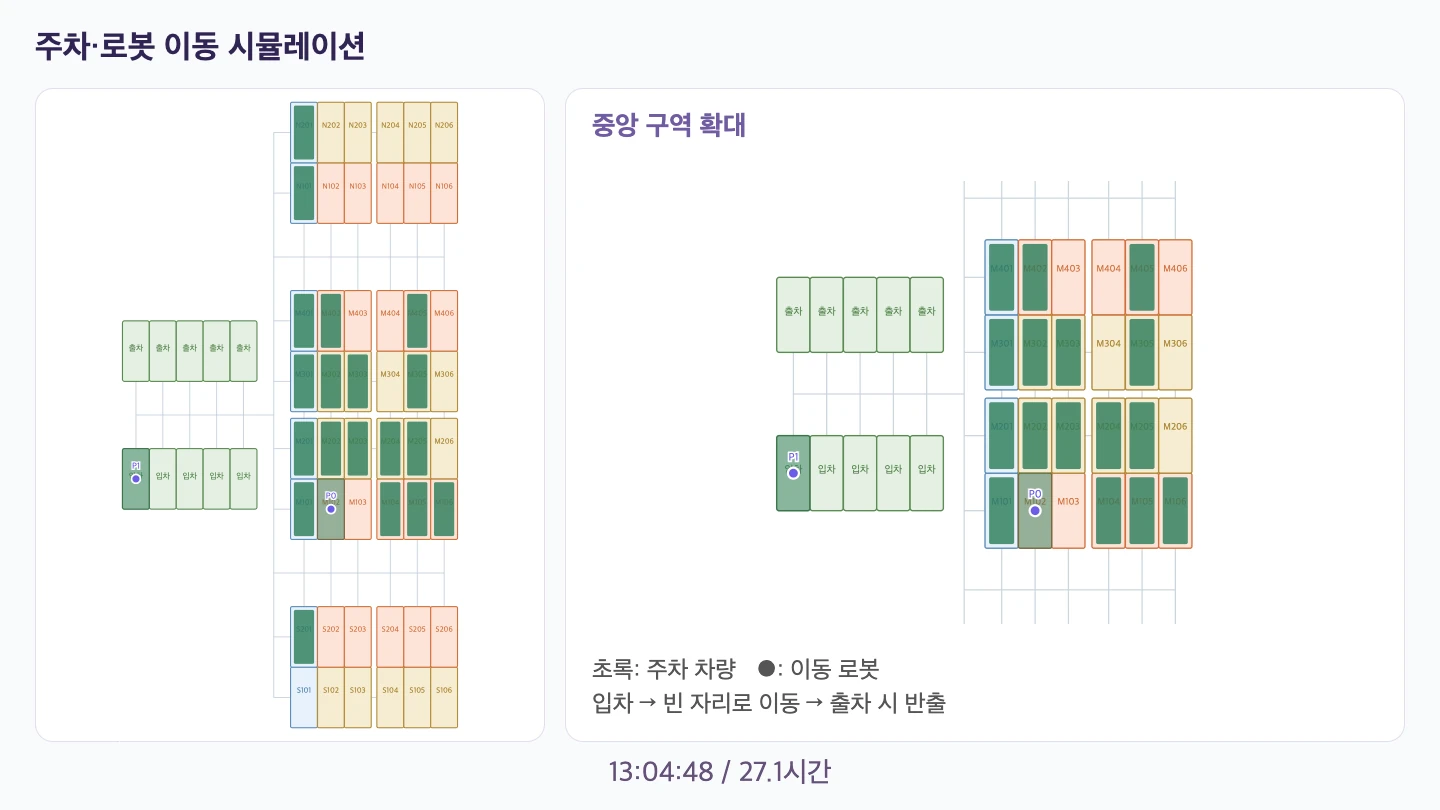
Coordinate robot tasks without shifting all waiting to arrivals.
03Space
Arrange components and connections within finite space.
Every placement changes the space available to the rest. Geometry, capacity, access and interference must be resolved together, from packed volumes to networks and chips.
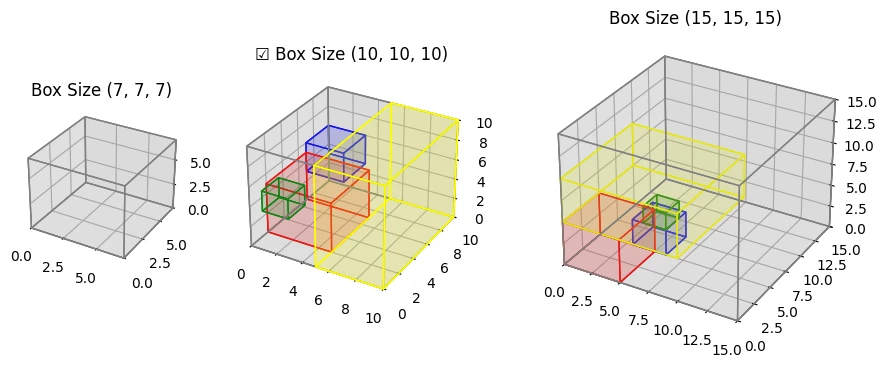
Choose box sizes through order-level 3D packing checks.
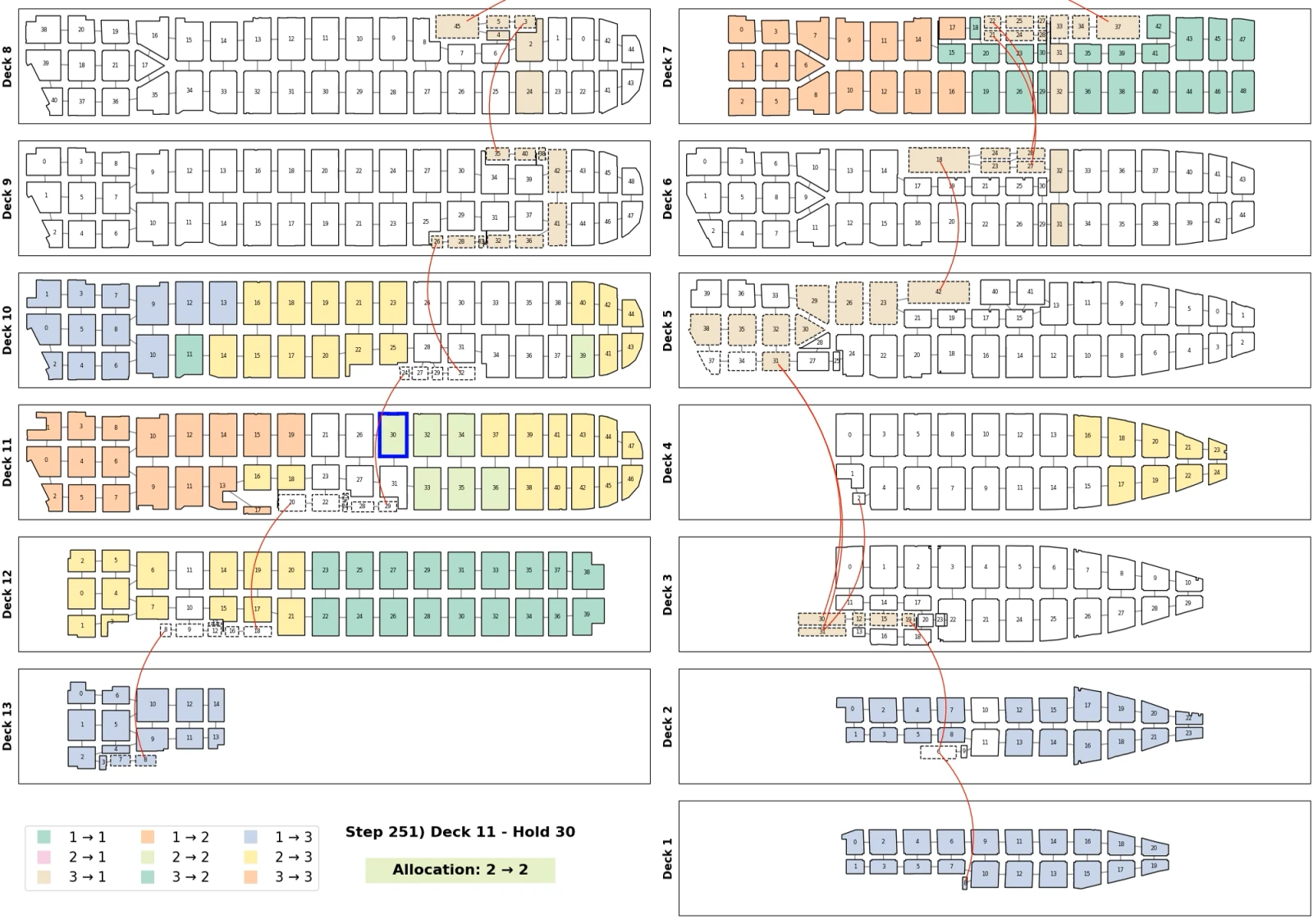
Use ship space while preserving loading and unloading access.
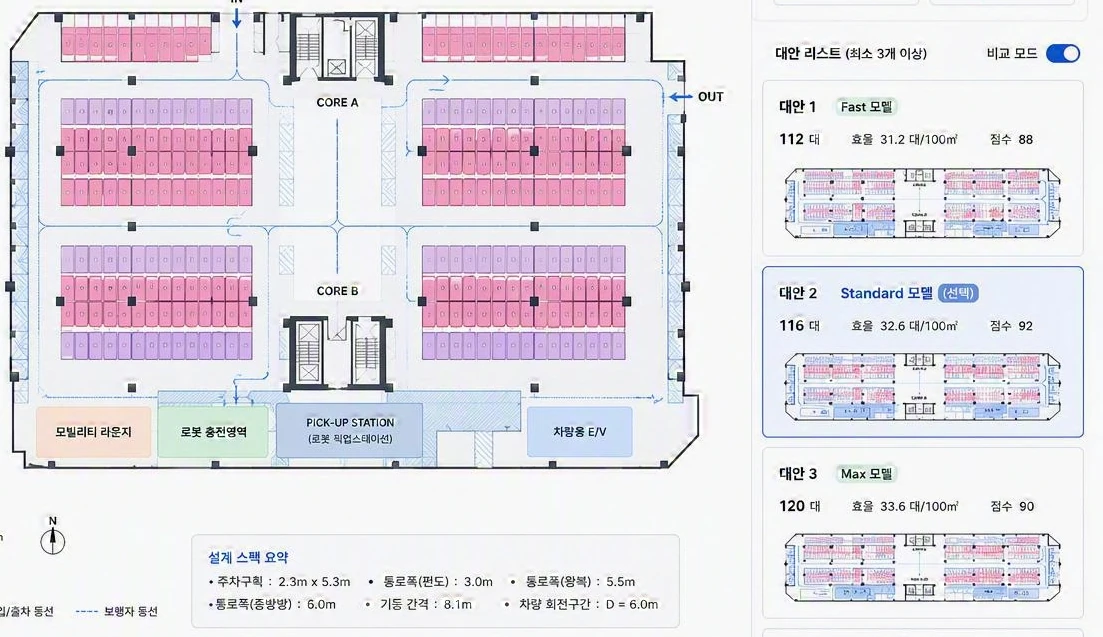
Generate parking layouts and inspect how robots can operate.
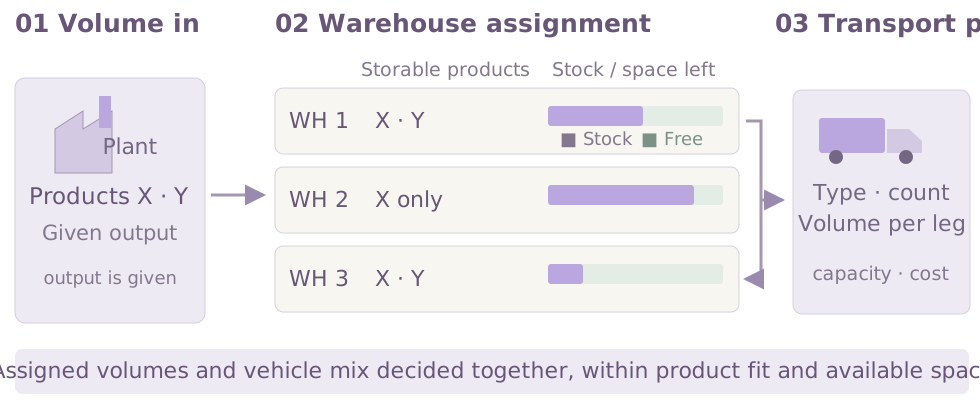
Allocate production volume to suitable warehouses and transport.
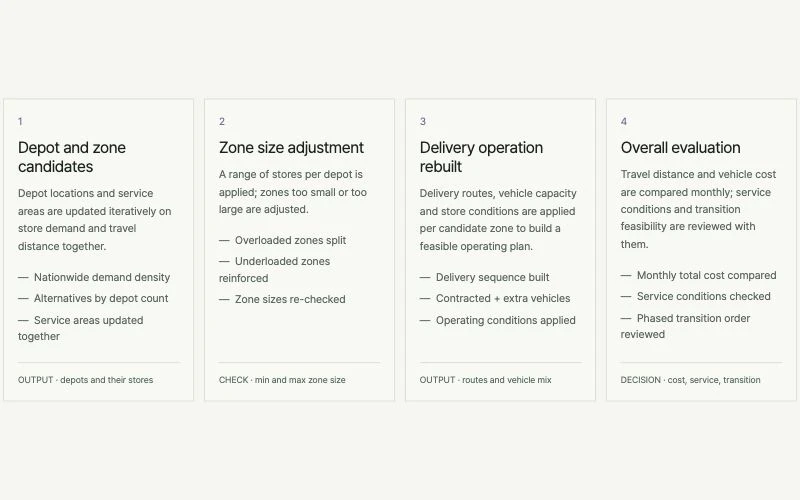
Design depot locations and service areas that remain operable.
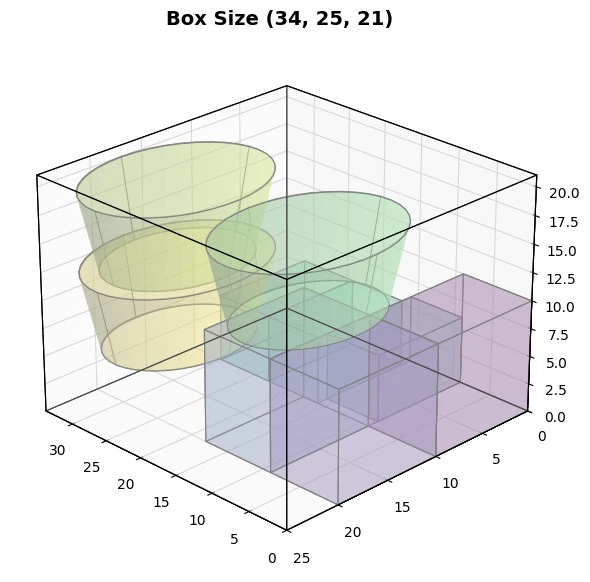
Use nesting-compatible shapes when choosing an order’s box.
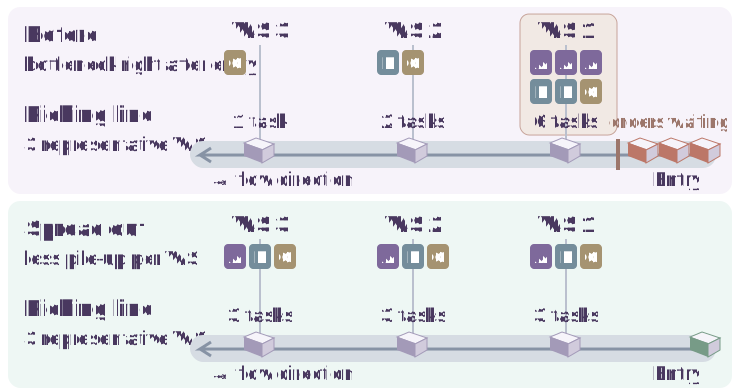
Distribute picking work across stations and review blocking orders.
04Demand / Supply
Balance many stocks against changing demand and delayed supply.
Replenishment decisions connect items, locations and future needs. Lead times, uncertainty, capacity and shelf life must be balanced to keep supply available without creating excess.
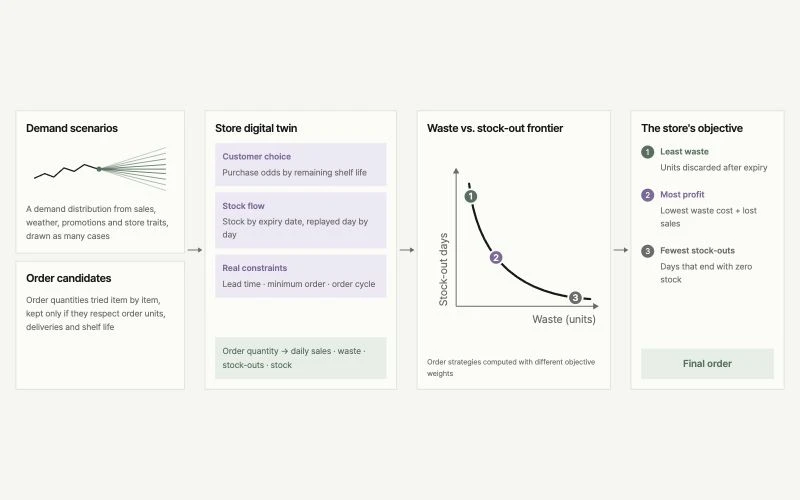
Balance fresh-product orders against demand, shelf life and waste.
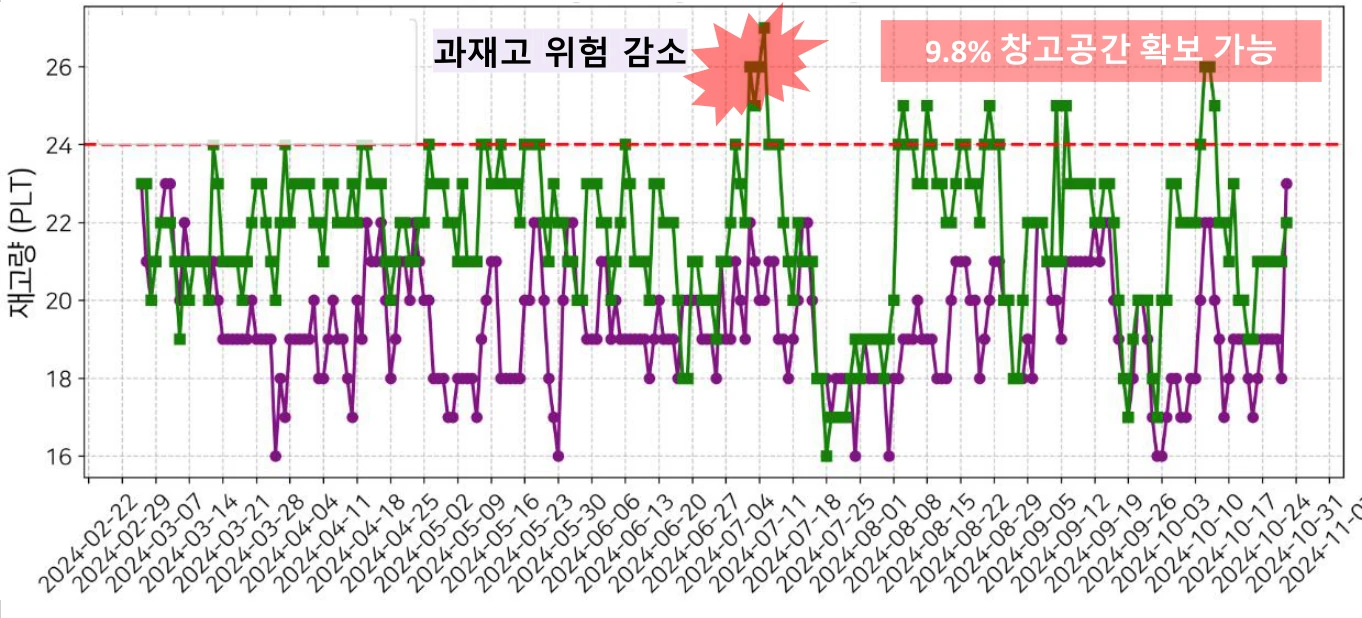
Set reorder points and quantities against demand and capacity.
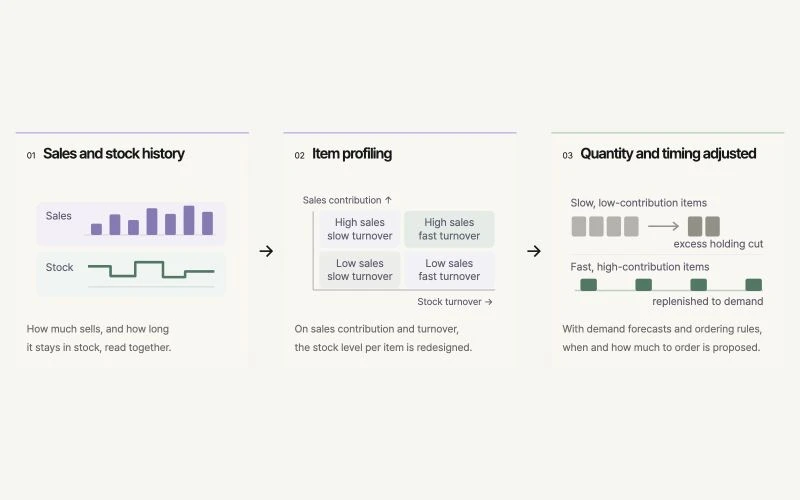
Adapt each item’s order policy to sales and stock turnover.
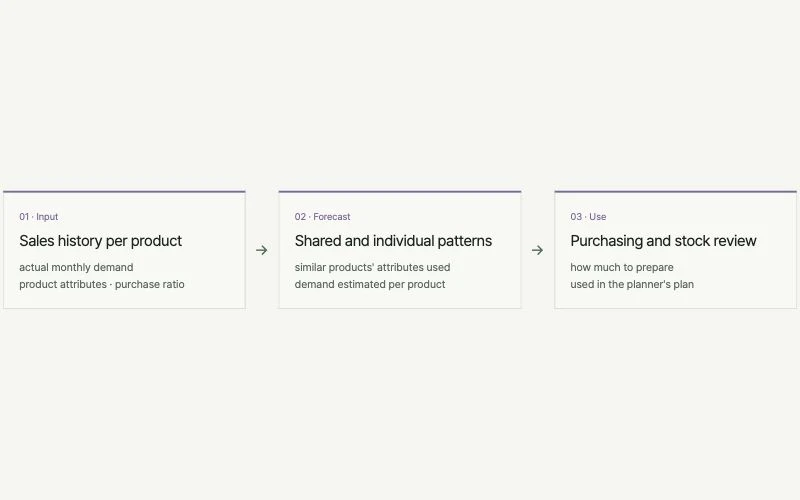
Forecast item demand using shared and individual patterns.
Customer identities are withheld. Each case identifies its scope, including evaluations, design requirements and demonstrations. Process-quality analysis is shown as related manufacturing intelligence; it does not optimize a schedule.