
Warehouse allocation and dispatch
Warehouse destinations, assigned volumes and transport vehicles were planned together using product compatibility, available storage and transport cost.
- Industry
- Logistics / Warehousing
- Decision family
- Spatial planning
- Evaluation scope
- Planning evaluation
Customer identity and identifying operational details are withheld.
The operating decision
A warehouse assignment that fits the product may still overload storage or require an expensive vehicle plan.
- Inputs
- Fixed plant output by product · Warehouse product compatibility · Current stock and free space · Available vehicles and transport rates
- Decision
- Destination warehouse and assigned volume · Vehicle size and count for each transport leg
- Constraints
- Product compatibility · Remaining warehouse space · Vehicle capacity · Vehicle availability
How it is approached
Start from fixed production
Take the products and output of each plant as given. The planning decision starts with where that volume should go.
Compare warehouse conditions
Check which warehouses can store each product and how much space remains after current stock, then compare destination and quantity choices.
Plan the transport alongside storage
Select vehicle sizes and counts for the allocated volume. Capacity, availability and leg costs feed back into warehouse allocation.
The decision structure
Planning evaluation
Validation & scope
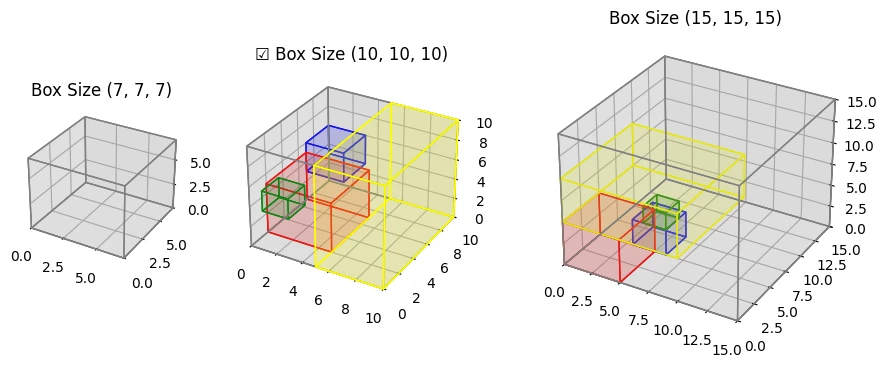
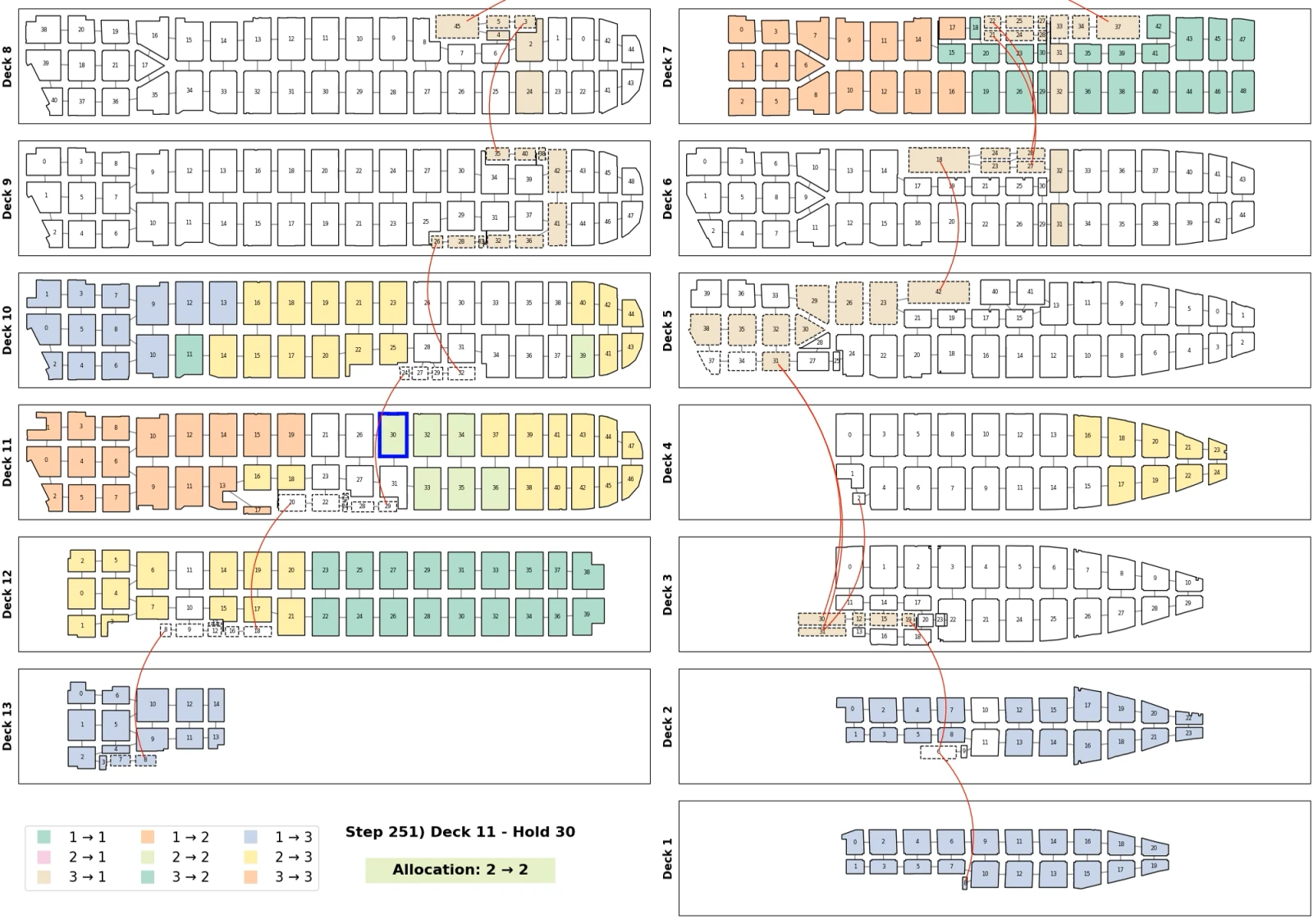
The presentation reports a planning comparison. Its manual-work and optimization-run timing scopes were not confirmed as equivalent, and reported cost effects were not confirmed in operation. The warehouse illustration is a decision model rather than actual assignment data.
Related decisions
All applications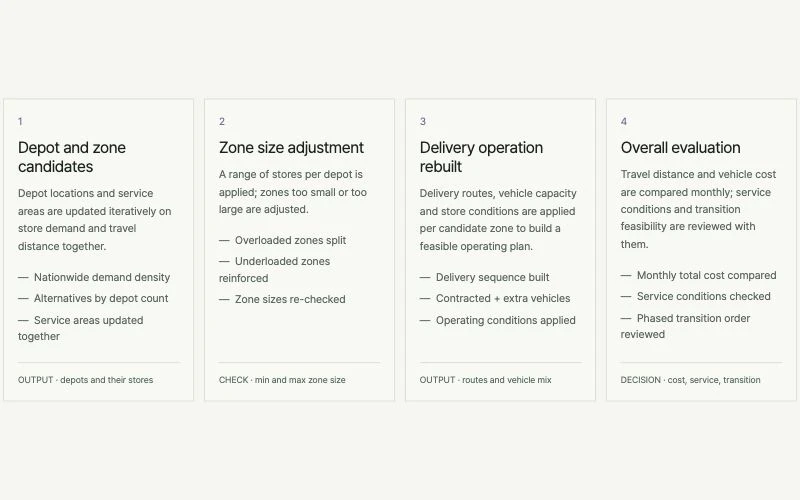
Bring the decision, its data and its constraints.